The Cracking Bones – A Colorful Introduction
Ever wondered if your closet is truly just full of sweaters and shoes… or maybe something a little more, shall we say, bony? Don’t worry — I’m not accusing you of moonlighting as a Gothic novel villain. But I am here to talk about a phrase that’s been rattling through the English language for over two centuries: the skeleton in the closet.
Grab a seat, make sure nothing rattles behind you, and let’s swing that closet door wide open to peek inside. Metaphorically, of course.
Ghostly Beginnings – Defining the Phrase
The phrase skeleton in the closet (or its British cousin, skeleton in the cupboard) refers to those hidden secrets you’d rather never see sunlight. We’re talking about the kind of buried truth or shameful secrets that, if exposed, could tarnish reputations faster than you can say “Oh, this old thing?”
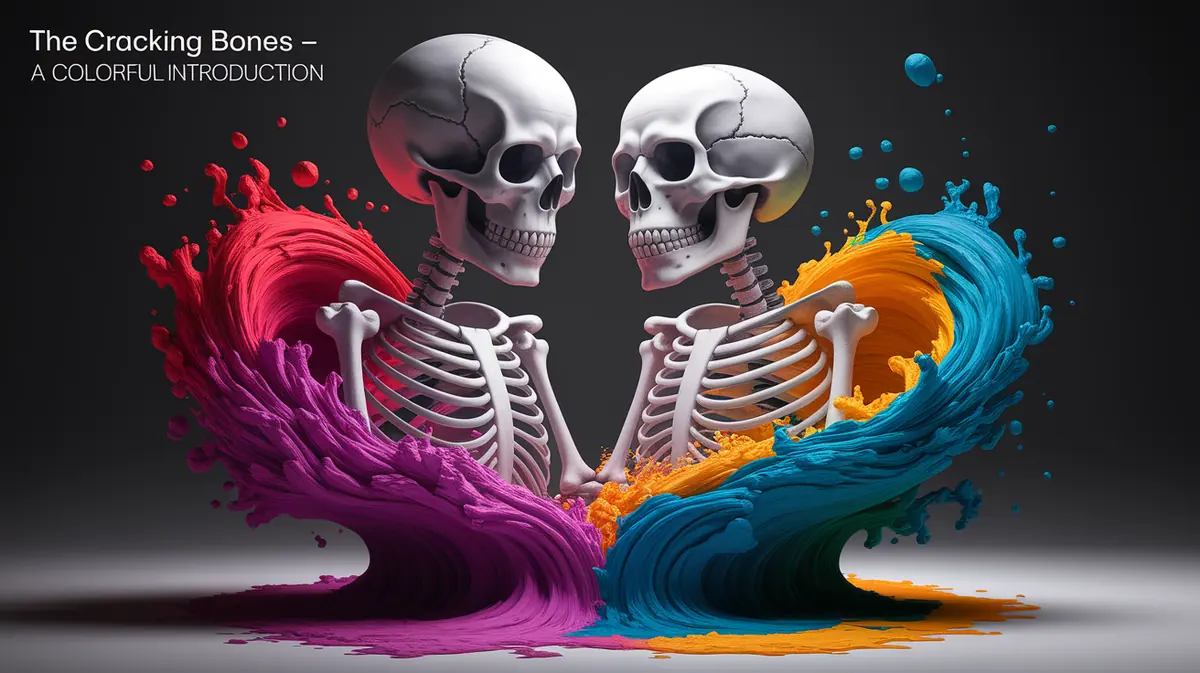
You’ve probably heard it used in gossip over celebrity scandals, whispered family histories, or the occasional political exposé. Simply put, it’s a metaphor for concealed information—anything from a mildly embarrassing truth to a dark past you’d guard like a dragon guards its hoard.
- American English: Skeleton in the closet
- British English: Skeleton in the cupboard
You can check a straightforward definition at Langeek Dictionary if you want the quick and formal answer.
From Bones to Bookshelves – Tracing Literal Origins
So where did this morbid little image come from? The expression’s earliest known appearance in print dates back to around 1816 in England. Back then, skeletons weren’t just spooky seasonal decorations. Thanks to strict laws and public suspicion, early 19th-century doctors and anatomists sometimes had to go to creative—and clandestine—lengths to store human remains.

As Phrases.org.uk explains, the literal hiding of skeletons in cupboards or closets was connected to medical and legal restrictions on dissection. Those bones had to go somewhere, and your typical Georgian-style cabinet sufficed. Later, the phrase leapt out of the autopsy room and into literature.
You can even imagine an old-timey physician whispering, “Shhh… don’t open that door,” and meaning it quite literally.
Metaphoric Evolution – When Skeletons Go Figurative
Over time, the phrase shed its literal flesh-and-bone meaning and took on the rich figurative life we know today. It became shorthand for personal scandals, suppressed information, and private shame. Instead of hidden cadavers, we were talking about hidden crimes, past mistakes, dirty laundry, and those awkward family skeletons you wouldn’t bring up over Sunday lunch.
The shift also came with geographical quirks: Americans prefer “closet,” Brits stick with “cupboard.” Same bony metaphor, different furniture. As Grammar Monster notes, both work just fine to conjure up the image of something you’d rather keep firmly under wraps.
Why It Endures – The Psychology of Hidden Truths
Why has this particular phrase rattled its way into our everyday speech and stayed there? Because, let’s face it, everyone has something they’d prefer to keep under wraps. Human beings are masters of selective storytelling. We share the shiny highlights and artfully obscure the mortifying bits.
The “skeleton in the closet” resonates because:
- It’s vividly visual — you can practically hear the bones clack.
- It taps into universal feelings of vulnerability and fear of exposure.
- We’re all a little nosy — mysterious secrets intrigue us.
This is why the phrase crops up in media, politics, and even casual chit-chat. Whether discussing hidden history or embarrassing truth, it packs both drama and punch.
Unlocked at Last – A Striking Conclusion
So there you have it — from dusty 19th-century cupboards hiding actual skeletons to today’s headlines hinting at metaphorical ones, this idiom has earned its place in our linguistic wardrobe. Next time you hear someone mention a “skeleton in the closet,” you’ll know they’re channeling a mix of macabre history and timeless human behavior.
Final takeaway? We all have a few bones we’d rather not air, but language has a great way of making even our private shames sound charmingly mysterious. Just… maybe don’t go actually looking in anyone’s closet, okay?
Until our next etymological adventure — keep your idioms handy and your doors closed!
Sources
- Wikipedia – Skeleton in the Closet: Overview of the idiom, meanings, and cultural variations.
- Langeek Dictionary: Definition and usage notes for the idiom.
- Phrases.org.uk: Historical origins and examples in print.
- Grammar Monster: British English variant and usage.
- Onestopenglish: Medical and legal history behind the phrase.
- Australian Writers' Centre: Origins and evolution of the idiom.